Instituto Tecnológico Autónomo de México, from September 7 to 11
Important Announcement
1. Keynotes Lectures
From 3:00 PM to 4:00 PM in the ITAM auditorium, four keynote lectures will be delivered by renowned researchers from Mexico:
Dr. Carlos Coello Coello, Algoritmos Evolutivos Multi-Objetivo: Una Historia que Comenzó hace más de 40 años
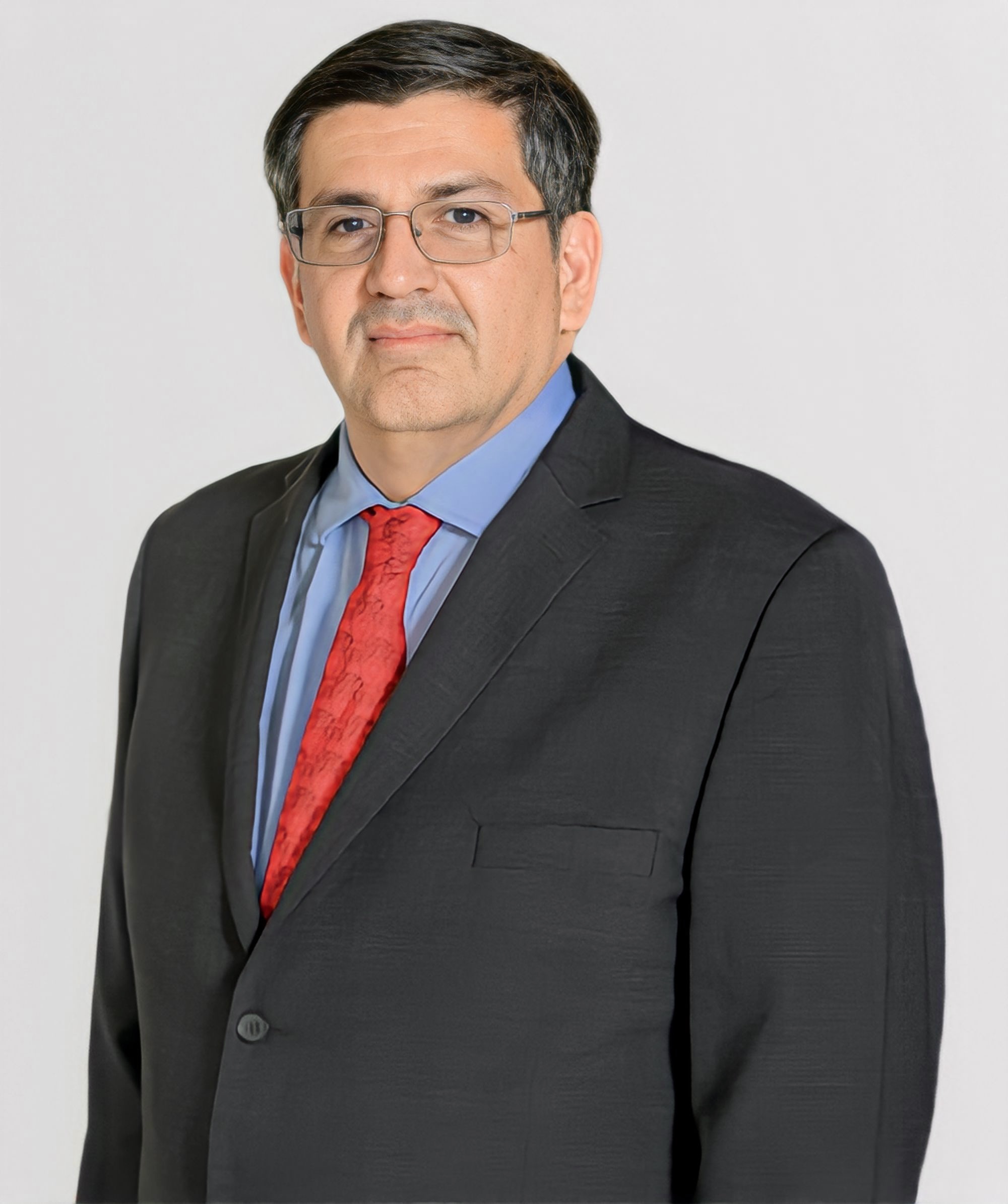
Abstract: The first multi-objective evolutionary algorithm was proposed by David Schaffer (in the United States) in 1985. Since then, this research area has become increasingly popular within evolutionary computation and has generated a significant volume of doctoral theses and peer-reviewed publications. In this talk, I will provide an overview of this discipline from a historical perspective, covering recent research topics as well as some of the major research challenges facing the field in the future.
Dr. Raul Monroy Borja, A family of contrast-pattern based classifiers for class-imbalance problems

Resumen: There is a growing interest in the development of classifiers based on contrast patterns (CPs), partly due to their high accuracy, but also to the advantage of them being able to explain classification results in a language that is easy to understand for an expert. In this talk, I will give an overview of our research in the development of a family of contrast-pattern based classification mechanisms, especially designed to deal with class-imbalance problems, such as fraud detection or non-human traffic identification. Yet, classifiers bias their decision towards the majority class. So, in this talk, I will describe the internal workings of four of our classifiers, namely: PBC4cip, MHLDT, Multivariate PBC4cip, and FT4cip. I will highlight pros and cons, and how they compare against other, paramount classifiers. I will also give an outline of some example applications where this family of classifiers has proven to provide remarkable results.
Dr. José Humberto Sossa Azuela y Dr. Victor Hugo Ponce Ponce, La evolución de la Inteligencia Artificial: de los Algoritmos al Hardware Neuromórfico Energéticamente Eficiente
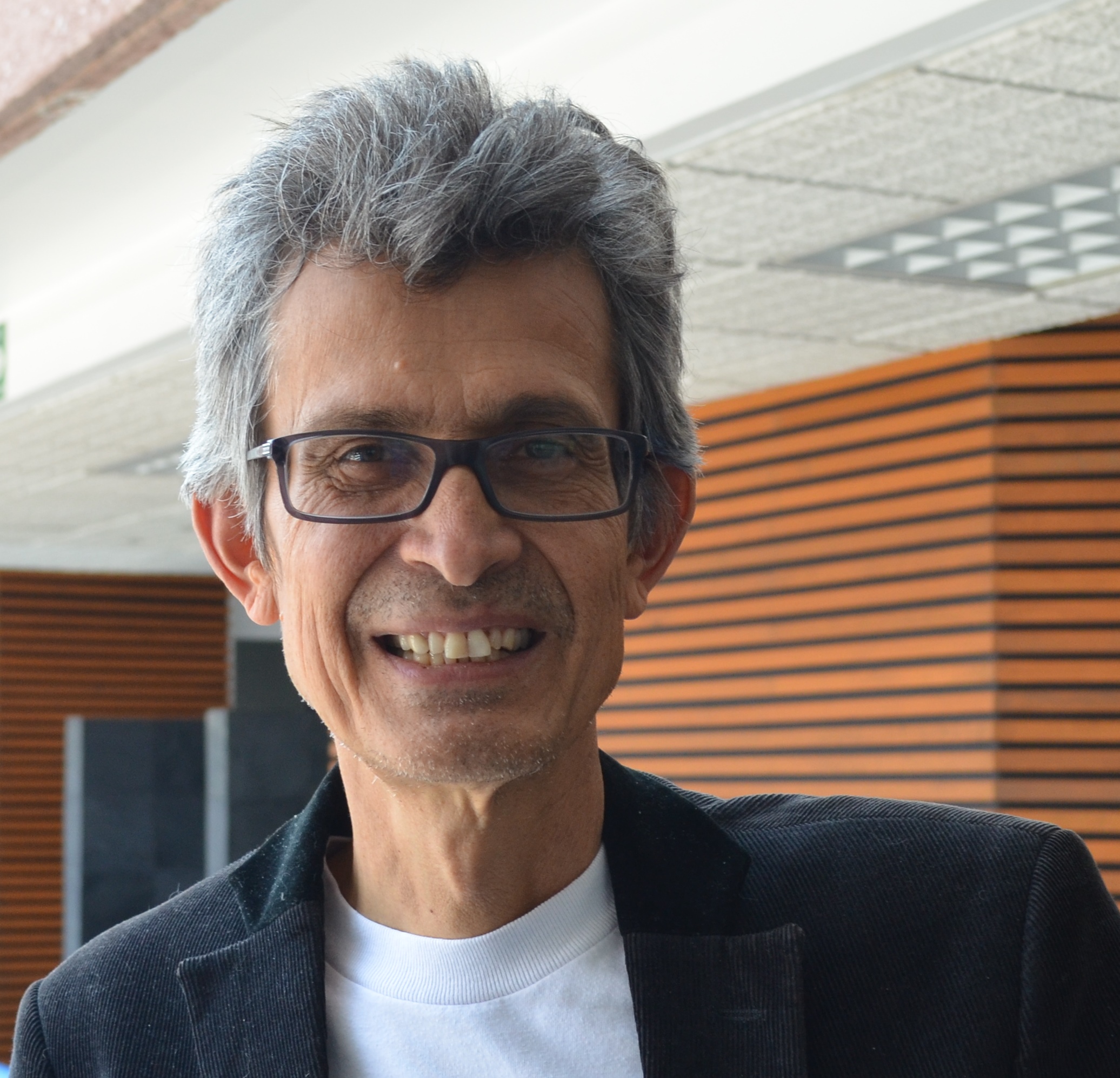

Abstract: Artificial Intelligence (AI) is extending its capabilities beyond large computing centers to devices that require local, real-time information processing with low energy consumption. In this context, neuromorphic computing—inspired by how the biological brain processes information—emerges as a paradigm based on spiking neural networks, event-driven processing, and architectures that aim to bring memory and computation closer together. This talk begins by defining what AI is and what it is not, illustrating some of its applications across various fields of human activity. Subsequently, it analyzes the main scope and limitations of the current paradigm for AI implementation. The evolution of this paradigm also necessitates a rethinking of the platforms used for AI processing. From this perspective, the second part of the talk presents an overview that starts with AI models and moves toward their physical implementation via specialized integrated circuits (neuromorphic chips)—both analog and digital—highlighting the development of artificial neurons and synapses, as well as the use of memristive devices. The presentation also covers the progress and challenges associated with the development of low-power neuromorphic chips—which could serve as future processing platforms for various Edge AI applications—as well as the capabilities currently being developed in this area at the National Polytechnic Institute’s Computing Research Center. The third part of the talk presents conclusions and addresses some of the key challenges and open questions in this field of scientific and technological development.
Dr. Alejandra Herrera Mendoza,

2. Interview with the CLEI President
As part of the preparations for the conference, a brief panel discussion was held between CLEI President Dr. Luca Cernucci and Dr. Fernando Esponda, Director of the Academic Division of Computer Science at ITAM. Both panelists discussed research trends in Latin America—specifically in Mexico—within the context of CLEI’s efforts to disseminate research across the region.
3. Latin American School of Informatics (ELI)
You can place your reservation for any of the four workshops that will be conducted during CLEI2026. The details about the topics and presenters can be found in the ELI page. The approved workshops are:
- ELI1: Graph Deep Learning: Fundamentals and Applications with Graph Neural Network, 15 hours in 4 days.
- ELI2: Data Quality, 12 hours in 3 days.
- ELI3: Process Mining: Intelligence, Automation, and Sustainability, 14 hours in 3 days.
- ELI4: Advanced Interaction with Virtual Humans: Architecture, Practical Applications, and Challenges, 12 hours in 3 days.
Goals
CLEI aims to be the main space in Latin America for the exchange of ideas, experiences, and research results among researchers, professionals, teachers, and students in the areas of computer science, informatics, and their technological applications. Through the organization of conferences, workshops, tutorials, and panels, it seeks to foster collaboration, innovation, and the dissemination of knowledge in the region. The LII edition will take place from September 7 to 11, 2026, in Mexico City, Mexico, at the Instituto Tecnológico Autónomo de México (ITAM).
The Latin American Conference on Informatics (CLEI) is an annual event organized by the Latin American Center for Informatics Studies and has been held since 1974, occurring itinerantly in Latin American countries. CLEI is the most important Latin American space for the exchange of ideas, experiences, and research results among researchers, professionals, teachers, and students of Computer Science and Informatics, as well as their applications. Its objective is the exchange of ideas, experiences and research results in areas of interest to the community, through conferences, workshops, tutorials and panels.
Sponsors

Instituto Tecnológico Autónomo de México

Centro de Estudios Latinoamericanos en Informática

Centro ITAM de Creatividad, Innovación y Emprendimiento

Institute of Electrical and Electronics Engineers